
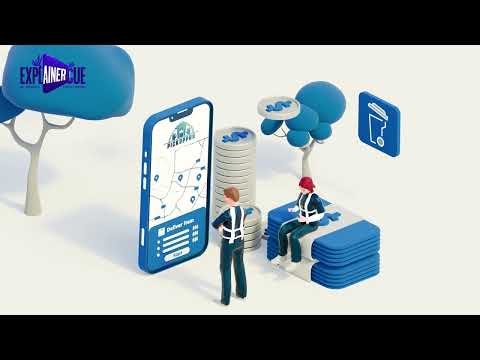
Service · Isometric Animation
Isometric Explainer Videos
Isometric explainer videos — 2.5D worlds that show how systems, platforms and workflows connect. Our signature style, built to make complex, interconnected products obvious in a single view.
Get an instant estimate Examples
Recent isometric explainer videos

Industrial IoT | Isometric Animation
Industry: Industrial IoT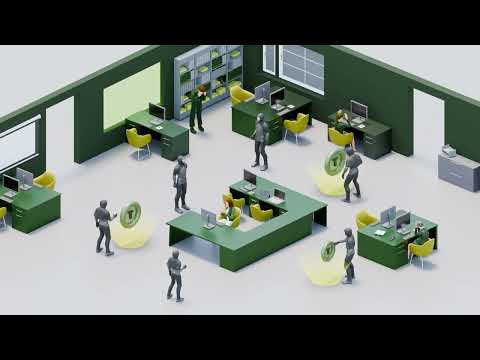
Security Systems | Isometric Explainer
Industry: Security
GreenTech SaaS | Isometric Explainer
Industry: GreenTech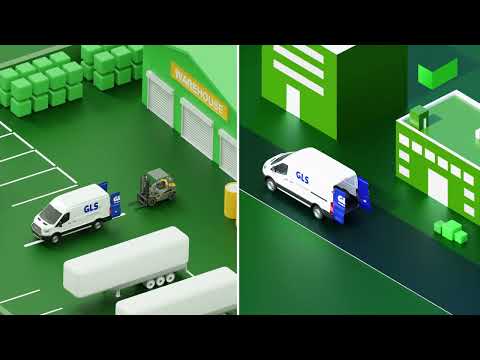
Parcel Logistics | Isometric Animation
Industry: Logistics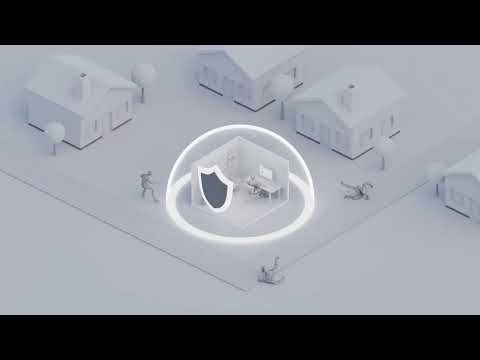
Privacy Marketplace | Isometric Explainer
Industry: Data PrivacyAn isometric explainer video uses a 2.5D perspective — flat illustration with 3D-style depth — to show an entire system in one connected scene. It’s ideal when your product isn’t one object but a network of parts working together, and it’s the style ExplainerCue is best known for.
Why isometric is our signature style
Most explainer studios do 2D or 3D. Isometric sits between them — the clarity of flat design with the spatial depth of 3D — and it’s uniquely good at one thing: showing how things connect. Platforms, data flows, supply chains, cloud architecture and IoT networks all become readable in a single isometric scene.
When isometric wins
Choose isometric when the story is about a system, not a single product: how modules link, how data moves between services, how a network or workflow operates end to end. It shows the whole picture at once, which a linear 2D sequence or a single 3D render can’t.
Isometric vs 2D vs 3D
Use 2D for character-led brand stories, 3D product animation for photoreal physical products, and isometric for interconnected systems and platforms. Many projects blend isometric establishing scenes with 2D or UI close-ups.
A note on demand, honestly
Isometric is a powerful differentiator and a strong sales and portfolio asset — it’s a big reason clients choose us. As a pure search term it’s niche, so we treat this page as a showcase of the style rather than a high-traffic keyword play, and route broader demand through our explainer and SaaS pages.
“Isometric is how you show a whole system at a glance. When a product is really a network, no other style comes close.”— Bilal Ali, Founder & Creative Director
By the numbers. ExplainerCue has produced 3,100+ videos across 30+ industries for clients in 15+ countries, backed by 680+ verified five-star reviews. Wyzowl reports an average explainer video cost of around $10,983 (median $5,400).
How it works
Our six-stage process
01
Brief
Goals & assets02
Script
We write it03
Storyboard
Visual layout04
Animation
Production05
Revisions
Until it's right06
Delivery
All formats FAQ
Frequently asked questions
What is an isometric explainer video?
It’s an animated video drawn in a 2.5D isometric perspective — flat illustration with 3D-style depth — that shows an entire system or platform as one connected scene, ideal for complex, interconnected products.
When should I choose isometric over 2D or 3D?
Choose isometric when the story is about how parts connect — platforms, data flows, networks, architecture. Choose 2D for character brand stories and 3D for photoreal physical products.
How much does an isometric explainer video cost?
Transparent pricing from $1,000 (30s), $2,000 (60s) and $3,000 (90s). Detailed isometric scenes sit toward the higher end. Wyzowl reports an industry average of around $10,983.
What industries use isometric most?
SaaS, cybersecurity, logistics, cloud, fintech and IoT — anywhere the product is a system rather than a single object.
How long does production take?
Typically 2–4 weeks, with a schedule shared at kickoff and revision rounds built in.
Ready to get started?
Tell us about your project and we’ll recommend the right approach — free consultation, no commitment.
Get a free quote →