
Industry · Cybersecurity
Cybersecurity Explainer & Security Awareness Training Videos
Explainer videos that sell your security platform, and security awareness training videos that reduce human risk — both built to make an invisible threat visible.
Get an instant estimate
Examples
Recent cybersecurity explainer videos

Business Email Compromise Prevention
Email Security · Isometric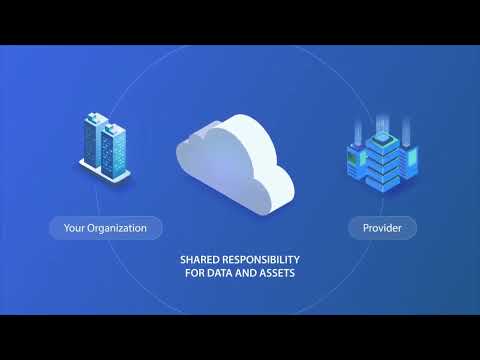
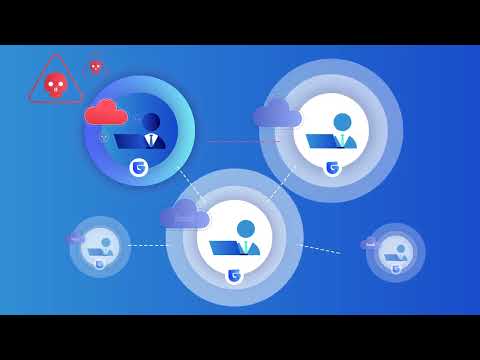
Cloud Security Posture Management
Cloud Security · 2D AnimationA cybersecurity explainer video makes an invisible problem visible — showing the threat, how your platform stops it, and why it matters. A security awareness training video does the same job pointed inward: it teaches employees to spot phishing, follow policy and reduce human risk. ExplainerCue produces both, using isometric and 2D animation to visualise attacks and defences.
Why cybersecurity is hard to sell without video
Security threats are abstract until something goes wrong. Buyers struggle to picture attack paths, and boards struggle to justify spend. A clear explainer animates the threat and your defence so the value is obvious — which is why isometric and diagrammatic styles work so well here.
Security awareness training for employees
Most breaches start with a person, not a firewall. A security awareness training video turns policy nobody reads into a scenario employees remember — how a phishing email actually looks, what a fake login page does, why reusing a password matters. Unlike a slide deck, it standardises the message across every department and every new hire, and it's easy to update when your policy changes. For the broader principles behind effective training video — length, structure, what makes people actually change behaviour — see our corporate training video guide.
Visualising attacks and defences
Our isometric animation is ideal for security — it shows networks, endpoints, identity and data flows in a single readable scene, so viewers see exactly where the risk is and how you close it.
Where security videos work
Product and demo pages, sales and board decks, RSA/trade-show loops, and internal training portals or LMS platforms. Clear video shortens technical sales cycles and measurably improves security culture.
“Security sells on clarity of risk. If a buyer can see the threat and your defence, the deal gets easier. The same is true internally — an employee who can picture an attack is the one who doesn't click it.”— Syed Bilal Ali (Bill), Founder & Creative Director
By the numbers. ExplainerCue has produced 3,100+ videos across 30+ industries for clients in 15+ countries, backed by 680+ verified five-star reviews.
How it works
Our six-stage process
01
Brief
Goals & assets02
Script
We write it03
Storyboard
Visual layout04
Animation
Production05
Revisions
Until it’s right06
Delivery
All formats FAQ
Frequently asked questions
What is a security awareness training video?
A short animated or scenario-based video that teaches employees to recognise threats like phishing, social engineering and policy violations — standardised across a whole organisation and easy to update when policy changes.
How much does a security awareness training video cost?
ExplainerCue's fixed pricing starts at $1,000 (30s), $2,000 (60s) and $3,000 (90s). Training series built from a shared visual style cost less per video — see our training video guide for how that works.
Can you make security-awareness training videos as a series?
Yes — phishing, password hygiene, physical security and incident reporting are commonly produced as a linked series so the whole program feels consistent.
What style is best for cybersecurity?
Isometric and 2D diagrammatic animation work best because they visualise networks, threats and defences clearly, whether the audience is a buyer or an employee.
Do you understand technical security topics?
Yes — we've explained identity and access management, cloud security posture management, email compromise and physical security, and translate them without oversimplifying.
How long does production take?
Typically 2–4 weeks, with a schedule agreed at kickoff and revision rounds built in.
Ready to get started?
Tell us about your project and we’ll recommend the right approach — free consultation, no commitment.
Get a free quote →