
Service · 3D Product Animation
3D Product Animation Services
Photorealistic 3D animation of your product — inside and out. We render mechanisms, cross-sections and exploded views a camera could never capture, for hardware, electronics, industrial and premium brands.
Get an instant estimate Examples
Recent 3D product animation work
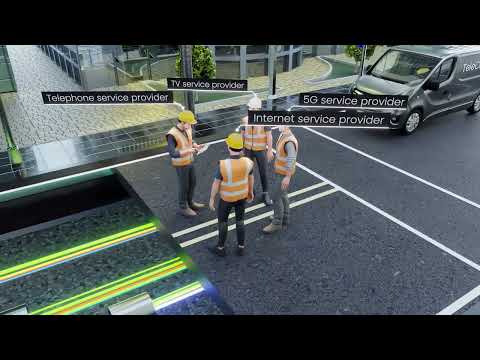
Telecom & Infrastructure | Open Access FTTH
Industry: Fiber Networks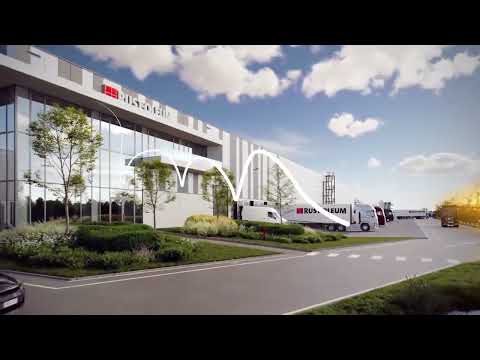
Industrial Real Estate & Green Tech | Solar Factory
Industry: Sustainable Warehouses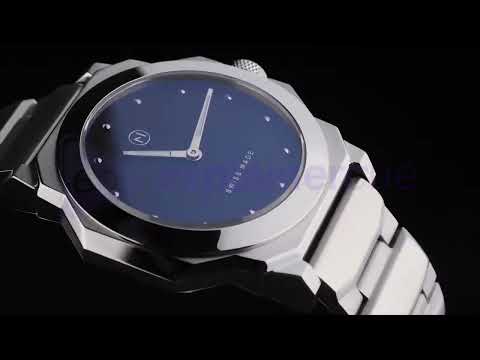
Luxury Goods & Fine Mechanics | Premium Watch
Industry: Premium Watches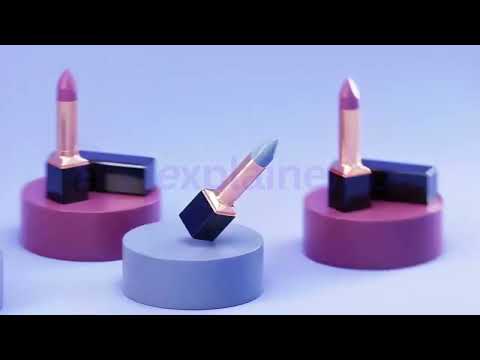
Cosmetics & Premium Packaging | Beauty Brand
Industry: CPG Beauty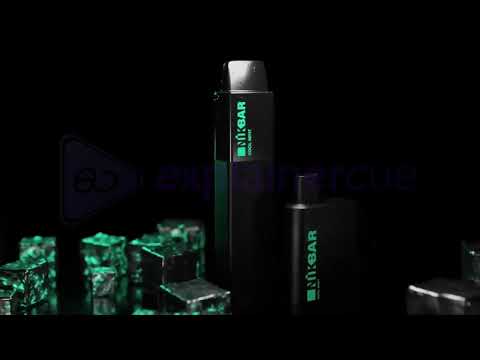
Hardware Devices & Pod Systems
Industry: Hardware Pods3D product animation is a photorealistic CGI render of your physical product that shows what a camera can’t — internal mechanisms, cross-sections and exploded views — without a prototype, studio or film crew. ExplainerCue produces studio-grade 3D product animation services for hardware, consumer electronics, industrial equipment and premium goods, working straight from your CAD files or reference photos.
What 3D product animation is best for
Physical products sell on form and mechanism. If your buyer needs to see how something is built, how it moves, or what’s happening inside, 3D is the only medium that shows it clearly. It’s the right choice for hardware and devices, industrial and manufacturing equipment, medical and lab instruments, consumer electronics, and premium or luxury goods where surface finish and detail matter.
Photoreal, exploded and cross-section views
As a 3D product animation studio we model your product once, then reveal it from any angle: a full 360° turntable, an exploded view that separates every component, a cross-section that cuts the product open to expose the internals, and macro shots that highlight materials, textures and finishes. Nothing is faked with stock footage — every frame is your actual product geometry.
From CAD to final render
We work directly from CAD/STEP files, 3D scans or reference images. Our pipeline covers modelling, realistic materials and lighting, animation, and final photoreal rendering — delivered in any aspect ratio for web, ads, trade shows and sales decks. If you don’t have CAD, we build the model from your drawings and photos.
3D product animation vs a live-action product video
A live-action shoot needs a finished, working prototype, a studio and reshoots for every change. 3D product animation needs neither: you can visualise a product before it exists, change colours or configurations in the file, and show internal function that a camera physically cannot see. For complex or pre-launch hardware, 3D is faster, cheaper to iterate, and clearer. For simpler products or a human, on-location feel, our live action video production may fit better.
Where 3D product animation fits your funnel
Use it on the product page and in paid ads to explain what the product is, in product launch videos to build pre-order hype, and in sales decks to answer “how does it actually work?” For software and platforms rather than physical hardware, see our SaaS explainer videos; for factory lines and machinery, our industrial explainer videos.
“3D lets a buyer hold a product in their hands before it exists. That’s the difference between explaining a feature and proving it.”— Bilal Ali, Founder & Creative Director
By the numbers. ExplainerCue has produced 3,100+ videos across 30+ industries for clients in 15+ countries, backed by 680+ verified five-star reviews. Wyzowl’s State of Video Marketing reports the average explainer video costs around $10,983 (median $5,400) — our transparent pricing starts at $1,000.
How it works
Our six-stage process
01
Brief
Goals & CAD/assets02
Model
Build the 3D asset03
Look-dev
Materials & lighting04
Animation
Motion & camera05
Render
Photoreal frames06
Delivery
All formats FAQ
Frequently asked questions
How much does 3D product animation cost?
ExplainerCue’s pricing is transparent and starts at $1,000 for a 30-second piece, $2,000 for 60 seconds and $3,000 for 90 seconds. Photoreal 3D with heavy modelling sits at the higher end; cost depends on model complexity, number of shots (turntable, exploded, cross-section) and render length. Industry-wide, Wyzowl reports an average explainer video cost of about $10,983.
What’s the difference between 3D product animation and a 3D explainer video?
3D product animation focuses on a single physical product — photoreal renders, exploded and cross-section views. A 3D animated explainer video is usually more stylised and story-driven, explaining a concept or platform rather than showcasing one product in photoreal detail.
Do you work from our CAD files?
Yes. We import CAD/STEP files or 3D scans directly for maximum accuracy. If you only have drawings or photos, we build the 3D model for you — no existing 3D asset is required.
Can you show the inside of the product?
Yes — that’s a core strength of 3D. We create cross-sections and exploded views that reveal internal mechanisms, components and how the product works, which live-action filming cannot capture.
How long does a 3D product animation take?
Most projects run 3–6 weeks depending on model complexity and number of shots. We share a schedule at kickoff and keep you in the loop at each of the six stages, with revision rounds built in.
Have a product to show off?
Send us your CAD files or a few photos and we’ll recommend the right 3D approach — free consultation, no commitment.
Get a free quote →